Faraway Tale: The Island Post Office That Delivers by Boat and Bicycle
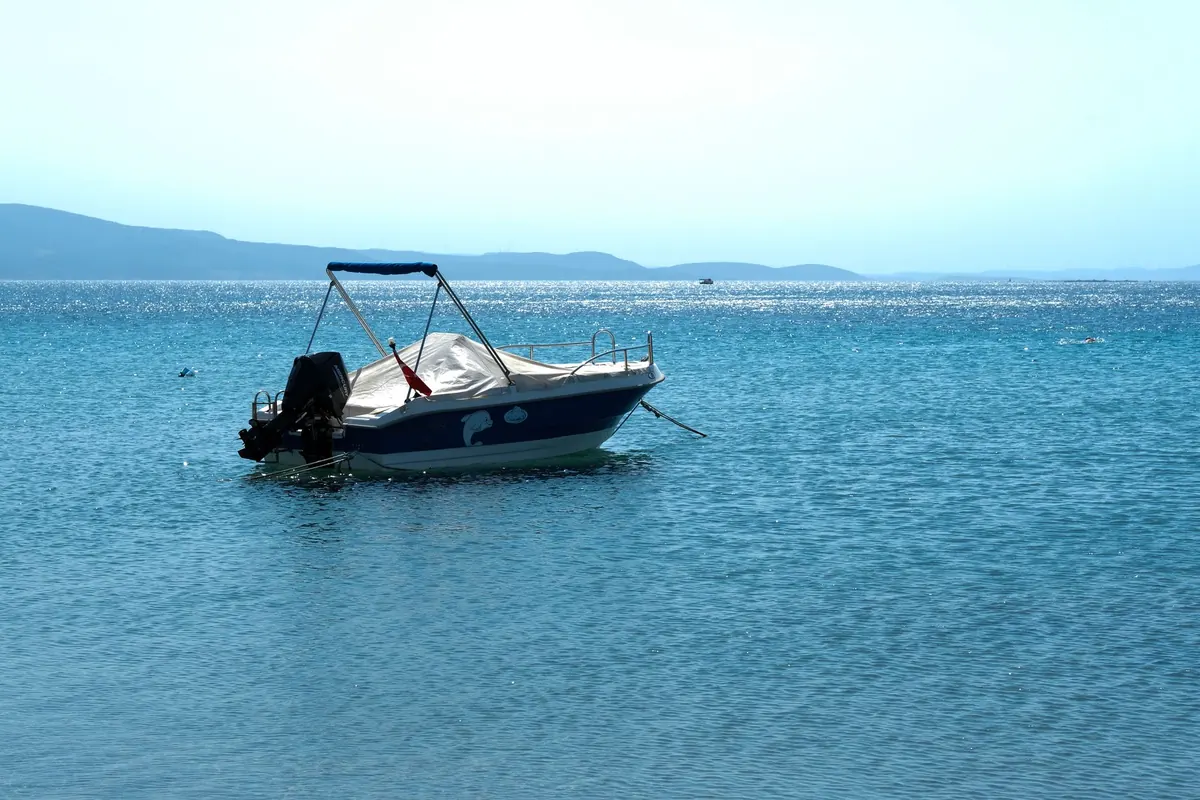
The first sound is not a bell. It is the wet slap of a canvas sack landing on the quay, then the low idle of a boat engine and the click of a bicycle chain being checked one more time. On this island, the post office does not begin its day at a counter. It begins with the tide.
The service is small enough to fit in a stone building near the harbor, but its route reaches almost every household. Mail arrives by boat when the water allows, then travels by bicycle along lanes too narrow for a van. Letters, parcels, notices, and the small news of the day move together.
The route starts with the tide
Inside the post office, the sorting table is plain: a map under plastic, a row of pigeonholes, a scale, and a stack of dry bags. The postmaster sorts letters first, face up, then parcels by destination. On an island, “destination” is not a postcode district. It is a cluster of houses at the end of a track, a farm above the bay, a shop that also takes in mail for neighbors, a school, a harbor office.
The boat leg is planned around water depth and swell, not around a fixed clock. The skipper checks the marine forecast and the tide table before the sacks are closed. If the wind is wrong, the crossing is short but rough; if the tide is low, the boat waits at the outer quay until there is enough water to come alongside. The postmaster packs accordingly: letters into one canvas sack, parcels into dry bags, anything that must stay flat into a stiff cardboard wallet. A parcel for the farm above the bay may ride beside a packet of seeds and a birthday card. A recorded-delivery envelope for the harbor office is clipped to the boat manifest with a clothes peg, because the peg is there and because it works.
When the boat reaches the quay, the bicycle is already waiting. The postmaster loads the panniers, checks the front basket, and pushes off before the engine has fully faded. The bicycle is not nostalgia; it is a practical answer to a narrow road. It fits between hedges, through gate latches, over stone bridges, and along lanes with a strip of grass down the middle. A van would be faster on the main road and useless on the last half mile. The bicycle can be lifted over a fallen branch, walked through a flooded dip, and parked outside a kitchen door without blocking the path.
What travels with the mail
On an island route, mail is never just paper. The sacks carry the ordinary and the urgent together: a box of printer ink for the school office, a replacement part for a fishing boat, a pair of boots, a jar of jam sent from one cousin to another, a stack of council notices, a prescription from the mainland pharmacy, a birthday parcel wrapped in paper saved from last year. The postmaster knows which parcels must stay dry, which can wait under the bench at the shop, and which need a signature before the boat turns back.
The addresses can be descriptions. A letter might be addressed to “the white house after the second gate, by the sycamore” or to a person’s name plus “near the old pier.” The postmaster translates. The shop takes in mail for neighbors. The school office holds letters for families on the far side of the island. The harbor office takes parcels for crews who are still at sea. This is not a casual system; it is a local addressing system that works because everyone knows the route and the route knows everyone.
“If I only followed the postcode, half the island would be waiting,” the postmaster says. “The route works because people tell us where they are.”
There is an outbound flow too. Fishermen send documents to the mainland. Children send postcards from the island shop. Someone mails a key, a form, a cheque, a letter to a newspaper. The bicycle comes back with mail for the boat, and the boat carries it to the ferry. The last collection is timed to meet the boat, not the other way around. The day is a loop: tide, quay, bicycle, lane, door, lane, quay, tide.
When the weather writes the timetable
Weather is the real timetable. Fog can delay the boat. Swell can cancel it. Wind can make the bicycle route unsafe on exposed stretches, where a gust pushes against a loaded pannier and the postmaster has to walk. Rain is not usually a reason to stop, but it changes the order of the route: parcels that need shelter are delivered first, and letters wait in the dry bag until the worst of it passes.
The postmaster keeps three plans in mind: the full route, a shortened route, and a boat-only day. On a bad day, the shop becomes a collection point, the school holds letters for families, and the harbor office takes parcels for crews. The postmaster calls ahead. A note is left. A neighbor is asked to pass the word. The service does not stop for weather so much as bend around it.
Winter changes the lanes. Mud fills the ruts, floods stand in the dips, and the bicycle gains mudguards, a cover for the panniers, and a slower pace. Summer brings tourists, more parcels, and more bicycles on the narrow lanes, so the postmaster leaves earlier and rings the bell sooner. There is one rule that does not change: if the skipper says the crossing is not safe, the mail waits. No one argues. A late letter is better than a soaked one, and a soaked parcel is a problem that follows the boat all the way home.
A post office as social infrastructure
The post office is also a daily roll call. The postmaster notices when mail stacks up at a house, when a parcel has waited too long, when a familiar name has not sent anything for a while. None of this is official. It is simply what happens when the same person delivers to the same doors in the same order for years. If an older resident has not collected a letter, a neighbor is asked to look in. If a boat crew is late, the harbor office keeps the parcel behind the counter. The route carries information in both directions.
Economically, the service is fragile. The volumes are small, the cost per delivery is high, and the boat, the bicycle, and the postmaster’s time all have to be paid for. But the value is not measured only in parcels per hour. The post office lets people run small businesses, receive parts, send documents, stay in touch, and order the things they cannot buy on the island. It is not a luxury add-on. It is part of the island’s plumbing.
At the end of the day, the bicycle comes back with an empty sack and a chain that needs oil. The boat engine starts again. The last letters are sorted into the pigeonholes for tomorrow. The tide will decide the hour, the wind will decide the route, and the postmaster will decide which door to knock on first. The island post office delivers by boat and bicycle because there is no other way to reach the houses, and because the houses are worth reaching.
Photo: Çağrı KANMAZ / Pexels